
UK Heatwave: Essential Summer Safety Tips for Electrical Professionals
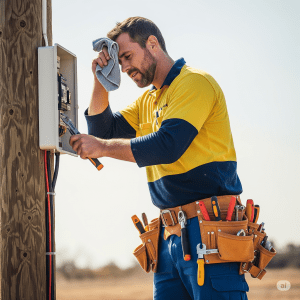
- Hydrate: Drink 250ml of water every 20 minutes; avoid energy drinks.
- Grip Control: Swap out damp PPE regularly; use tools with ergonomic, textured handles to prevent slips.
- Tool Care: Never leave insulated tools on a hot van dashboard—extreme heat can compromise dielectric handles.
- HSE Compliance: Monitor the Met Office and follow HSE guidance on heat stress by taking frequent breaks in the shade.
The current May 2026 UK heatwave has brought unusually soaring temperatures, creating challenging conditions for professionals working outdoors for DNOs, Local Councils, and on housing association properties. While long daylight hours are a bonus, working under the scorching sun introduces severe environmental hazards that compound standard electrical risks. Heat, sun exposure, and sweaty PPE can seriously impact your concentration, grip, and overall safety. Here is your essential, updated guide to staying safe, cool, and effective on the job, while maintaining compliance with UK safety standards for insulated tools.
1. The Primary Hazard: Heat Stress & Dehydration
According to the Health and Safety Executive (HSE), working in high temperatures significantly increases the risk of heat stress, which impairs cognitive function and physical coordination. In our line of work, a momentary lapse in concentration can be fatal.
The Risks: Heat exhaustion, heatstroke, dizziness, muscle cramps, and severe fatigue leading to critical errors on live circuits.
Your Safety Strategy:
- Hydrate Relentlessly: Drink water consistently throughout the day, even before you feel thirsty. Avoid excessive caffeine and sugary drinks, as they act as diuretics.
- Schedule Smart: If working on an exposed site, schedule the most physically demanding tasks for the early morning or late afternoon.
- Take Regular Breaks: Don’t push through the midday heat. Take short, frequent breaks in a shaded area or in your van with the A/C running.
- Monitor Your Kit: Left your screwdrivers on the dashboard? Extreme UV and heat can melt or warp thermoplastic handles. Heat damage is one of the most common electrical tool mistakes professionals make. Learn how to spot the warning signs: 5 Signs Your Insulated Tools Are Unsafe.
2. The Control Challenge: Sweaty PPE & Reduced Grip
Sweaty hands and damp gloves are more than just uncomfortable—they are a genuine safety hazard. A compromised grip can lead to a slipping tool, which is a worst-case scenario when working near live components.
The Risk: A dropped tool can damage equipment or cause a short circuit if it falls into a live panel, potentially initiating an arc flash hazard.
Your Safety Strategy:
- Breathable, High-Grip Gloves: Ensure you’re wearing well-fitting, breathable safety gloves that maintain grip even when damp. Keep a spare pair in the van.
- Ergonomic Tool Handles: Upgrade to tools with highly textured, ergonomic grips. Our range of ITL Nylon Thermoplastic tools provides a secure hold, offering crucial extra control when hands are slick with sweat.
- Keep It Dry: Follow essential care and maintenance routines by regularly wiping down your tools and PPE with a microfibre cloth.
Equip Your Team with the Best in Electrical Safety
Upgrade your fleet today. Browse our complete catalogue of premium, fully certified BS EN IEC 60900 insulated hand tools.
3. The Environmental Hazard: UV Exposure & Glare
A career spent outdoors comes with the long-term risk of skin damage from UV radiation, which is particularly severe during Met Office heatwave alerts.
The Risks: Sunburn, increased risk of melanoma, and sudden sun glare that can temporarily blind you while wiring or inspecting a panel.
Your Safety Strategy:
- Protective Clothing: Wear lightweight, breathable, long-sleeved workwear.
- Broad-Spectrum Protection: Apply a high-SPF sunscreen to all exposed skin.
- Head & Eye Protection: Utilize a hard hat with a neck shade. Always wear UV-rated, polarized safety glasses to protect your retinas and eliminate dangerous glare.
4. The Weather Threat: Summer Storms & Humidity
British heatwaves are famous for breaking with violent, sudden thunderstorms.
The Risks: Sudden downpours create wet, highly conductive surfaces. Lightning is a direct, lethal threat for anyone working on overhead lines, scaffolding, or rooftops.
Your Safety Strategy:
- Monitor the Met Office App: Keep push notifications on for sudden weather shifts.
- Lightning Protocol: At the first rumble of thunder, all outdoor electrical work must cease. Seek safe shelter immediately.
- Post-Storm Assessment: After a downpour, check the work area for water ingress into panels, and inspect and maintain your insulated tools before re-energising.
Adapt Your Safety for the Season
A professional’s commitment to safety means adapting to the environment. Staying hydrated, taking HSE-recommended breaks, and maintaining total control of your high-quality tools are essential. By respecting the extreme heat, you ensure you finish every workday safely.
If you are looking to upgrade your summer kit, check out our Insulated Hand Tools Buyer’s Guide or browse our complete tool kits.