
How to Build the Perfect Insulated Tool Bag Setup for DNO Work and Cable Jointing
The best way to organise an insulated tool bag for DNO and cable jointing work is by enforcing strict separation. Store VDE tools in dedicated vertical pockets or tool rolls, keep heavy metal tools in a rigid, isolated compartment to prevent dielectric cross-contamination, and ensure the bag has a waterproof base to stop moisture ingress.
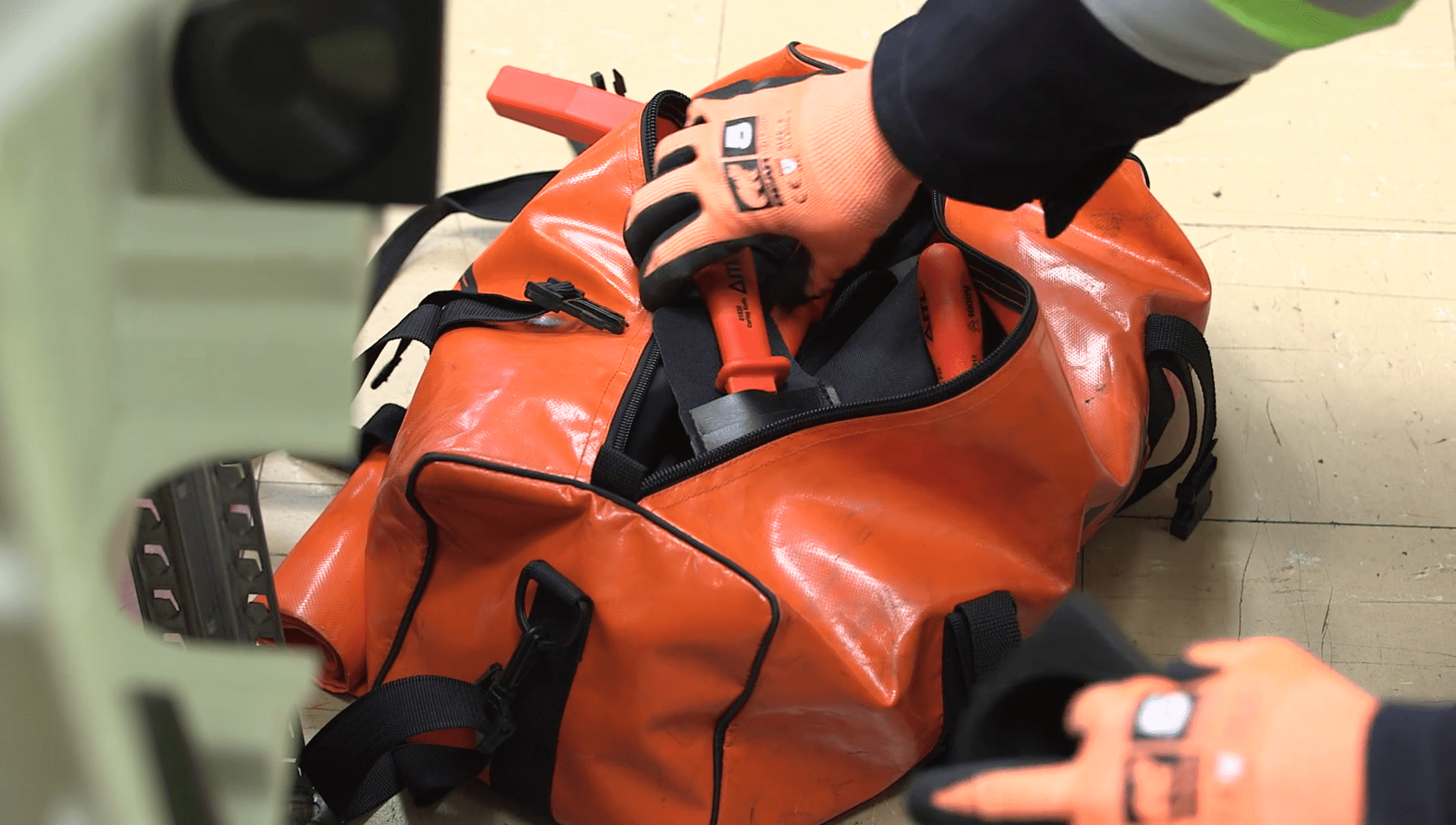
Whether you’re tied off on an overhead line or elbow-deep in a live jointing pit, you can’t afford to be digging blindly for the right set of pliers. A properly sorted tool bag isn’t just about working faster. It’s about keeping you alive.
If you just throw your fully certified insulated tools into a dark canvas bag alongside heavy lump hammers, hacksaws, and cold chisels, you’re not only damaging your investment. You’re creating a potentially fatal hazard.
In this guide, we’re going to break down how to build the best tool kit for line workers, outline the essential insulated tools list, and explain exactly why organising VDE tools properly could be a matter of life and death.
The Golden Rule: Keep Your Tools Separated
The most critical mistake made by apprentices, and even some seasoned veterans who should know better, is cross-contamination.
Whether it’s injection-moulded Nylon 11 tools from ITL, which form a permanent chemical bond with the steel for extreme Category C Impact Resistance to -40°C, or the top-tier gear we source from premium manufacturers like Boddington, here at Insulated Hand Tools we demand excellence in every piece of equipment.
But the harsh reality is that no insulation is invincible.
If you store a VDE screwdriver loose in a pouch with a standard steel file or a heavy spanner, the constant friction and impact in the back of your van will take its toll. This could cause micro-abrasions, deep cuts, or chipping. At 1,000V AC, electricity seeks the path of least resistance. That tiny hairline crack caused by a loose lump hammer? That’s an open door for a fatal shock.
The Fix: Your bag must have a rigid division. Keep your standard metal tools in one compartment, and use dedicated tool rolls or isolated vertical pockets strictly for your insulated kit. Never let the two mix.
Even with the best storage practices, routine inspections are a lifesaver. If you spot a nick or suspect your gear has been compromised, don’t risk it. Read our complete guide on when to replace your insulated tools.
The Essential Insulated Tools List for Line Workers
Building the best tool kit for line workers means carrying exactly what you need to safely handle live components, and nothing more.
If you’re upgrading your current setup, make sure your insulated section contains the following essentials, all fully compliant with IEC 60900 standards and VDE testing:
| Tool Type | The Job | How to Store It Safely |
|---|---|---|
| VDE Slotted & Phillips Screwdrivers | Terminal work, panel connections, and breaker adjustments. | Store tip-down in dedicated vertical loops. Never leave them loose at the bottom of the bag. |
| Insulated Combination Pliers | Gripping, bending, and cutting live wires. | Keep in a rapid-access side pocket. Ensure jaws are closed to protect the cutting edges. |
| Heavy-Duty Cable Shears | Slicing through thick copper and aluminium cables without crushing them. | Store at the bottom tier of the insulated section. They are heavy and will crush delicate tools if placed on top. |
| Insulated Spanners & Nut Spinners | Bolting and unbolting live busbars and heavy switchgear. | Keep them in a dedicated canvas tool roll. It keeps sizes organised and stops them rattling against each other. |
| Insulated Cable Knife | Stripping heavy cable sheathing safely. | Crucial: Must be kept in a hardened sheath. An exposed blade could slice straight through the insulation of your other tools. |
Hazards Inside Your Bag
Mechanical impact from other tools isn’t the only thing trying to destroy your kit. The environment inside your van or on the job site is just as brutal.
Climate Control and Condensation
As you know, line workers operate in some of the harshest conditions imaginable. Your bag is constantly cycling between freezing vans in the dead of winter and boiling hot switch rooms (which brings its own set of summer safety hazards for electricians). This rapid temperature change can cause condensation inside your tool bag.
Moisture and electricity obviously do not mix. If water gets trapped inside a loose PVC sleeve (a problem with older, poorly manufactured dipped tools) you are holding a hidden conductor.
Pro-Tip: Throw a few large silica gel packets into the bottom of your tool bag to absorb ambient moisture. Make sure your bag has a waterproof, hard plastic base. If you set a canvas bag down in freezing mud, that moisture is seeping straight up into your tools.
Chemical Contamination
Standard tools rust, so they need oiling. But if you throw an oiled wrench next to a standard PVC-dipped insulated plier, you’ve got a problem. Oil and grease chemically degrade lesser plastics over time, turning the handles sticky and ruining their structural integrity.
While the Nylon 11 bioplastic we use is highly resistant to oils, moisture, and aggressive chemicals, no material is entirely invincible. Segregate your lubricants, fluxes, and standard steel tools away from your VDE section.
The Friday Afternoon Check
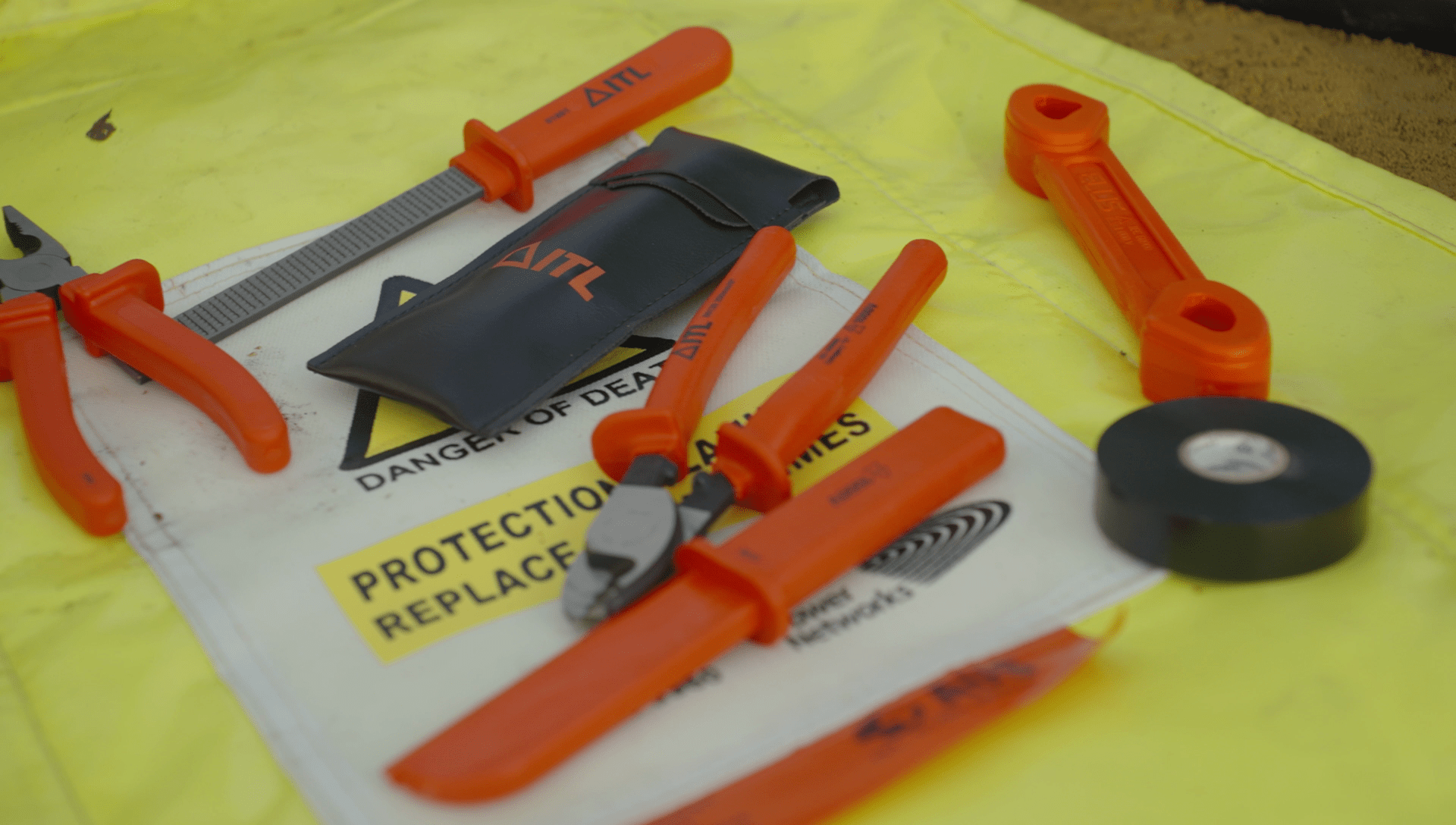
Even a well-organised bag is only safe if you maintain it. Under the Electricity at Work Regulations 1989, you have a duty to maintain your equipment to prevent danger. Your hand tools are no exception.
Every Friday afternoon, empty the bag completely and run through this checklist:
- Hoover it out: Get rid of the wire clippings, dirt, and metal at the bottom of the bag. Metal shavings can easily embed themselves into the plastic handles of your insulated tools, completely bridging the dielectric protection.
- Clean them up: Wipe your tools down with a clean rag and mild soapy water. Don’t use aggressive solvents like acetone; they will degrade the insulating material.
- The 10-Second Visual Check: Inspect the insulation on every tool. Look for cracks, cuts, or nicks. Check if the insulation moves or spins on the shaft (sleeving). Ensure the IEC 60900 / VDE markings are still legible.
If you spot a crack wide enough to catch your fingernail, or if the tip is worn down to expose extra metal, don’t try to be a hero and tape it up. Bin the tool immediately.
Conclusion
Perfecting your electrician tool bag setup takes trial and error, but the rules don’t change. Treat your insulated hand tools with the respect they deserve. Maintain strict separation between your live-working gear and your heavy metal kit, invest in modular storage, and never skip your visual inspections.
When you organise your VDE tools properly, you aren’t just making your day easier. You’re ensuring that the primary barrier between you and a fatal shock stays exactly as strong as the day it left our testing lab.
Is your current setup looking worse for wear? Don’t take the risk. Replacing a tool is cheaper than the alternative. Check out our full range of insulated hand tools to ensure your kit is fully compliant and ready for the job.
Disclaimer: This blog post provides general information on electrical safety and tool standards. Always refer to specific site procedures, risk assessments, and relevant regulations (such as the UK’s Electricity at Work Regulations 1989). Seek expert advice for your particular situation. Safe work practices should always be determined by qualified personnel.