
Common Mistakes Field Technicians Make with Insulated Tools – and How to Avoid Them

- 1. Skipping the daily visual check (using tools with exposed inner yellow layers).
- 2. Modifying or repairing damaged insulation instead of replacing the tool.
- 3. Storing insulated tools loose in a van with sharp, standard metal tools.
When you are working on the UK’s electrical network, your hand tools are the last line of defence between you and a fatal 1,000V AC shock. However, supplying a team with high-quality, BS EN IEC 60900 certified gear is only half the battle.
At Insulated Hand Tools, we have spent over 40 years equipping the DNO sector and electrical subcontractors. In that time, we have seen perfectly engineered, VDE-certified equipment destroyed—not by electrical faults, but by daily misuse. When insulated hand tools are mistreated, their dielectric properties degrade, putting field technicians at severe risk and leaving employers liable under the Electricity at Work Regulations 1989 (EAWR).
In this guide, we break down the most common mistakes field technicians make with insulated tools, how to avoid them, and how to maintain strict UK safety standards for insulated tools.
Mistake 1: Treating Insulated Tools Like Standard Hand Tools
The most frequent mistake technicians make is forgetting that an insulated screwdriver or plier is a highly calibrated piece of safety equipment, not just a lump of metal.
Because tools coated in high-quality injection moulded Nylon 11 or VDE-dipped PVC look robust, it is tempting to use them for mechanical tasks they weren’t designed for.
- The Mistake: Using an insulated slotted screwdriver as a chisel or a pry bar to open a stubborn busbar chamber. Using the handle of an insulated plier as a hammer.
- The Consequence: Heavy mechanical shock can cause micro-fractures in the insulation. If moisture or sweat enters that micro-void, the tool can track electricity straight to your hand, bypassing your primary defence and increasing arc flash hazards.
- How to Avoid It: Enforce a strict “right tool for the right job” policy. If a technician needs to chisel, pry, or hammer, they must switch to a non-insulated mechanical tool.
Mistake 2: Ignoring the Pre-Use Visual Inspection
Regulation 4(2) of the EAWR states that all electrical equipment must be maintained in a condition that prevents danger. Unfortunately, daily inspections are often the first thing skipped on a busy UK construction site.
- The Mistake: Pulling an insulated tool out of the bag and using it immediately without checking for dielectric integrity.
- The Consequence: A tool that suffered a deep gouge yesterday is a lethal weapon today.
- How to Avoid It: Implement a mandatory 10-second visual check before every use. Premium insulated tools are manufactured with a two-colour insulation system. If you can see the yellow inner layer through a scratch in the red outer layer, you must stop immediately. Unsure if a minor scratch warrants replacing? Read our definitive guide on when to replace insulated tools.
Mistake 3: Improper Storage and Transport in the Van
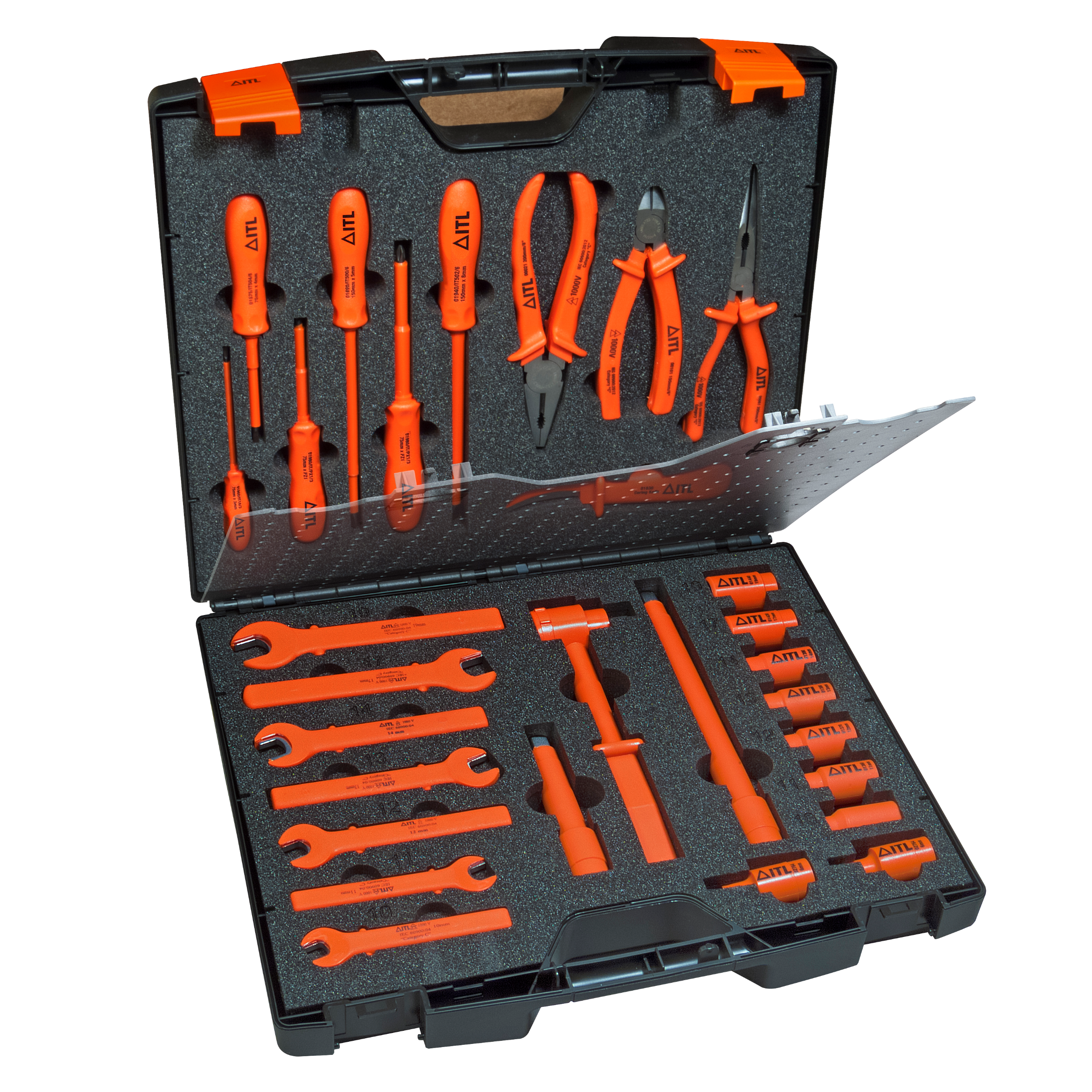
A premium £400 insulated tool kit can be ruined in a matter of days if it is left rattling around the back of a transit van.
- The Mistake: Throwing insulated tools into a communal hard-case toolbox where they can grind against standard metal files, wood saws, or utility knives.
- The Consequence: The vibrations of driving between sites will cause the sharp edges of standard tools to slice through the protective coating.
- How to Avoid It: Segregation is critical. Insulated tools must be stored in a dedicated, foam-lined protective case or a specific insulated tool pouch. For tips on maximising your layout and preventing cross-contamination, check out our ideal insulated tool bag setup.
Mistake 4: Using the Wrong Cleaning Chemicals
Working in industrial boiler rooms, substations, or muddy trenches means tools get dirty. Grease, oil, and moisture are conductive, so cleaning your tools is vital. However, how you clean them can be a fatal error.
- The Mistake: Using harsh industrial solvents like brake cleaner, white spirit, acetone, or petrol to wipe down insulated handles.
- The Consequence: Chemical solvents actively break down the molecular structure of plastics and rubber, making them brittle and stripping their 1,000V protection.
- How to Avoid It: Keep cleaning simple. Wipe the tools down with a dry, clean cloth to remove dust. For heavy grease, use warm water and mild soap. For a comprehensive breakdown of proper cleaning protocols, review our essential care and maintenance guide.
Equip Your Team with the Best in Electrical Safety
Upgrade your fleet today. Browse our complete catalogue of premium, fully certified BS EN IEC 60900 insulated hand tools.
Mistake 5: Relying on Fake, Outdated, or Uncertified Gear
As budgets tighten, some subcontractors look for cheaper alternatives online. This leads to the procurement of tools that look insulated but are merely dipped in standard, non-dielectric plastic.
- The Mistake: Buying tools that lack the proper international certification stamps, or using legacy tools that are decades old.
- The Consequence: You are playing Russian Roulette with the electrical network. Uncertified tools will easily fail under the strain of a 1,000V AC load.
- How to Avoid It: Look for the undeniable proof of testing. If you want to understand exactly what these markings mean, read our article decoding VDE & IEC 60900 standards. If you’re ready to upgrade your fleet, consult our comprehensive Insulated Hand Tools Buyer’s Guide to ensure you procure the right certified gear.
Mistake 6: “Field Modifications” and Repairs
Electricians are natural problem solvers. When something is broken, they try to fix it. When a tool doesn’t fit into a tight busbar chamber, they modify it.
- The Mistake: Shaving down the insulation on a screwdriver shaft to make it fit into a recessed terminal block, or wrapping electrical tape around a cracked handle.
- The Consequence: Electrical tape is not IEC 60900 certified. Modifying the insulation by filing it down completely voids the dielectric testing the tool underwent at the factory.
- How to Avoid It: Never attempt to repair damaged insulation. If a standard insulated screwdriver is too bulky for a modern MCB, do not shave the plastic off. Instead, replace it. Wondering if your current drivers are compromised? See our specific guidelines on when to replace VDE screwdrivers.

Mistake 7: Ignoring Temperature Tolerances
The UK weather presents unique challenges for field technicians. Extreme cold makes standard plastics brittle, while extreme heat—like baking in a van during a July heatwave—can soften them, a risk we outline in our summer safety guide for electricians.
- The Mistake: Leaving a tool bag in a freezing van overnight at -5°C, and then immediately using those tools for heavy-duty levering.
- The Consequence: Standard PVC insulation can crack under impact when frozen.
- How to Avoid It: If your teams are consistently working in harsh environments, standard dipped tools might not be enough. Upgrade to tools manufactured from injection moulded Nylon 11.
Establish a Bulletproof Maintenance Routine
To ensure legal compliance and the absolute safety of your technicians, you must inspect and maintain insulated tools meticulously.
| Area of Failure | The Mistake | The Solution |
|---|---|---|
| Physical Use | Using screwdrivers as chisels | Enforce “right tool for the job” policies. |
| Storage | Throwing tools in a loose toolbox | Upgrade to segregated, foam-lined tool bags. |
| Inspection | Skipping the daily visual check | Implement a “yellow means dead” two-colour rule. |
| Cleaning | Using brake cleaner/solvents | Wash with mild soap and warm water only. |
Your hand tools are an investment in your career and your life. Don’t leave your compliance to chance. Equip your team with the best in electrical safety. Upgrade your fleet today by browsing our complete catalogue of premium, fully certified BS EN IEC 60900 insulated hand tools—engineered specifically for UK DNOs and electrical professionals. Shop the full range here.
Disclaimer: This blog post provides general information on electrical safety and tool standards. Always refer to specific site procedures, risk assessments, and relevant regulations (such as the UK’s Electricity at Work Regulations 1989).